
bench. After months of legal hearings The courtroom was packed, the atmosphere tense, and all eyes were fixed on the judge’s bench. After months of legal hearings and heated debates, the state terrorism charges against Luigi Mangione were dismissed. This decision marked the end of one of the most controversial cases in recent years, a case that ignited conversations about justice, state power, and the thin line between national security and personal rights.
But who is Luigi Mangione? Why was he facing such serious accusations? And what does this dismissal mean for him, his supporters, and society as a whole? In this blog, we will break down every detail, from the origins of the charges to the public reaction, media coverage, and the broader global context
Who Is Luigi Mangione?
Luigi Mangione is not a name that people will easily forget. A man known in activist circles, Mangione has been involved in political campaigns, human rights discussions, and grassroots organizing.
Authorities, however, painted a different picture. They accused him of being connected to networks tha
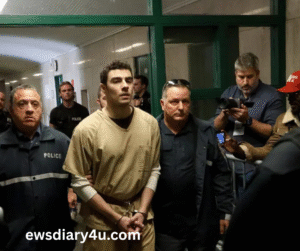
t threatened the state. The charges placed him at the center of a heated debate about dissent, activism, and the criminalization of opposition.
The Charges Explained
What Are State Terrorism Charges?
State terrorism charges are among the most severe accusations under the law. They suggest that an individual not only threatens security but also aims to destabilize institutions through violence or organized resistance.
What Was Mangione Accused Of?
Prosecutors alleged that Luigi Mangione:
-
Had connections with extremist groups.
-
Helped organize demonstrations that “turned violent.”
-
Spread rhetoric against the government that could “incite unrest.”
These claims, however, were not backed by solid evidence, according to the defense team.
Why the Charges Were Dismissed
The judge ruled that the prosecution failed to present concrete proof linking Mangione to acts of terrorism. Key witnesses either contradicted themselves or admitted to hearsay. Digital evidence turned out to be weak, and much of the case rested on speculation rather than facts.
The defense argued strongly that Mangione’s actions fell under the umbrella of free speech and lawful activism. The court ultimately agreed, dismissing all terrorism-related charges.
The Legal Battle
Defense Strategy
Mangione’s lawyers focused on three main pillars:
-
Lack of Evidence – Prosecutors could not provide direct proof.
-
Rights Violations – They argued that Mangione’s arrest was politically motivated.
-
Public Interest – They highlighted his community service and advocacy for human rights.
Prosecution’s Position
Prosecutors leaned heavily on the narrative that Mangione’s speeches and activism “emboldened radicals.” However, they struggled to link his words to concrete actions.
Public Reaction
Supporters Celebrate
Supporters gathered outside the courthouse, cheering the dismissal. Many carried banners calling Mangione a symbol of free speech and resilience. Social media erupted with messages of solidarity, with hashtags trending in his favor.
Critics Respond
Not everyone was pleased. Some government officials and media outlets expressed concern that the dismissal would “set a dangerous precedent.” They argued that the court’s decision might embolden other activists accused of radicalism.
Media Coverage
The case made headlines across national and international outlets. Independent media hailed the ruling as a victory for democracy. State-aligned outlets, however, framed it as a failure of the justice system to protect security.
The Human Side of the Story
For Mangione, this was not just a legal battle—it was deeply personal. In statements after the ruling, he spoke about the toll the charges had taken on his family, friends, and career. “I was painted as a terrorist without proof,” he said, holding back tears. “Today, justice has spoken.
Historical Context
This case is not isolated. Around the world, activists and opposition figures have often faced similar charges. Governments frequently use terrorism laws to silence dissent. By dismissing the charges, the court not only cleared Mangione’s name but also sent a powerful message about the balance between security and freedom.
Global Implications
Human rights groups hailed the decision as a landmark ruling. They argued it could inspire other courts to examine evidence more critically in politically charged cases. Legal scholars said the dismissal reinforced the principle that accusations of terrorism cannot be built on speculation.