
A Night to Remember: NASA Rocket Launch Over Central PA
NASA Rocket Launch to Light Up Central PA Skies Tonight . Central Pennsylvania residents are in for a treat tonight as NASA prepares to launch a rocket that will be visible across much of the region. Stargazers, space enthusiasts, and curious families are all eager to catch a glimpse of the fiery trail that will briefly streak across the night sky.
The NASA rocket launch Central PA tonight is not just another space mission—it’s a chance for everyday people to witness history from their own backyards. You don’t need a telescope, a special ticket, or even advanced planning. All you need to do is step outside at the right time and look up.
About the Mission
NASA Rocket Launch to Light Up Central PA Skies Tonight . NASA launches dozens of rockets each year, but only a select few are visible along the East Coast corridor. Tonight’s mission involves a [insert rocket type, e.g., Antares or Falcon if contracted with SpaceX] carrying a scientific payload into orbit. The rocket will lift off from Wallops Flight Facility in Virginia, one of NASA’s most active launch sites.
Because Wallops is situated close to the Mid-Atlantic, launches from this site often provide stunning views for people across Pennsylvania, Maryland, Delaware, New Jersey, and beyond. The rocket’s trajectory takes it northeast, which means the flame trail will be visible for several minutes across Central PA skies—assuming weather conditions cooperate.
When to Watch
Timing is everything when it comes to rocket launches. The scheduled launch window opens tonight at [insert time, e.g., 8:30 PM ET]. Viewers in Central PA should be ready a few minutes before, since visibility begins quickly after liftoff.
The rocket becomes visible between 30 to 90 seconds after launch, depending on your location. If you’re in Harrisburg, York, Lancaster, or State College, expect the trail to appear in the southern to southeastern sky before arcing upward. Have your camera or phone ready. These rockets move fast, and the entire viewing experience may last only 3–5 minutes.
Best Places to See the Launch in Central PA
One of the best parts about the NASA rocket launch Central PA tonight is that you don’t need to travel far. Almost any open area with a clear view of the horizon should do. Still, some spots offer especially good views:
-
Harrisburg Riverfront Park – Wide, open skies with minimal light pollution.
-
Hawk Rock Overlook near Duncannon – Elevated view above the Susquehanna River.
-
State College outskirts – Open farmland gives unobstructed views.
-
Lancaster County fields – Low light pollution makes the rocket trail stand out.
Basically, the fewer streetlights and buildings around you, the better your view will be.
NASA Rocket Launch to Light Up Central PA Skies Tonight , Why Central PA Gets a Front Row Seat
NASA Rocket Launch to Light Up Central PA Skies Tonight. Many people wonder why Central Pennsylvania has become such a hotspot for rocket launch visibility. The answer lies in geography and trajectory.
Wallops Island, Virginia, is less than 200 miles southeast of Harrisburg. When rockets head to the International Space Station or into low-Earth orbit, they often follow a path that aligns perfectly with Central Pennsylvania’s skies. This gives residents a unique opportunity to see launches that people in the Midwest or Deep South simply can’t.
It’s almost like having a VIP balcony for space exploration.
Will Weather Cooperate?
Clear skies are key to enjoying tonight’s event. According to local forecasts, Central PA will see [insert weather condition: partly cloudy, clear, etc.] tonight. Even if clouds are scattered, there’s a good chance the fiery rocket plume will shine brightly enough to cut through small gaps.
If the weather is questionable, check NASA’s live stream or social media for updates. Sometimes launches are delayed by a day or two if conditions aren’t ideal.
What the Rocket Will Look Like
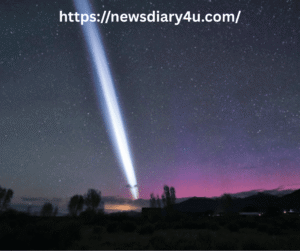
If you’ve never seen a rocket launch before, you might wonder what to expect. From Central PA, you won’t see the rocket itself, but you will see:
-
A bright, moving point of light growing in intensity.
-
A trail of flame or exhaust plume following it.
-
The light gradually fading as the rocket arcs higher into the atmosphere.
It may look similar to a fast-moving star, except much brighter and with a visible fiery trail.
Tips for Photographing the Launch
Want to capture the magic? Here’s how:
-
Use a tripod for stability.
-
Set your camera or phone to night mode or long exposure.
-
Frame the shot with a landmark or horizon for scale.
-
Record video if photos feel tricky—rockets move faster than you think.
Many Central PA residents will share their shots on social media tonight, so don’t forget to tag your location.
Pennsylvania’s Connection to Space
It’s fitting that Pennsylvania gets to enjoy these events—after all, the state has a strong connection to NASA and space exploration. Several astronauts, including Guion Bluford (first African American in space, born in Philadelphia), hail from Pennsylvania.
NASA also partners with Pennsylvania universities for aerospace research, making each rocket launch a reminder of the state’s role in advancing space science.
Community Excitement
Social media buzz is already building as Pennsylvanians plan viewing parties, family outings, and solo stargazing sessions. For many, it’s a chance to step away from screens and reconnect with the wonder of the universe.
“Moments like this bring people together,” said one Harrisburg resident on Twitter. “We all look up at the same sky and see something extraordinary.”
Final Thoughts
The NASA rocket launch Central PA tonight is more than just another event—it’s a chance to witness the power of human innovation right from your own backyard. Whether you’re in Harrisburg, Lancaster, York, or the rolling hills of Centre County, take a few minutes tonight to step outside, look up, and watch history unfold.