Gold Prices Fall in Pakistan: What It Means for Investors and Consumers

Gold Prices Fall in Pakistan: What It Means for Investors and Consumers

Gold Prices Fall in Pakistan | Latest Gold Rates & Market Impact.....
Gold Prices Fall in Pakistan | Latest Gold Rates & Market Impact…..

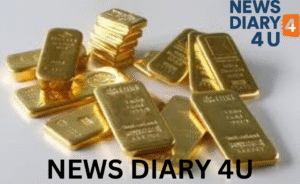
Gold Prices Fall in Pakistan: What It Means for Investors and Consumers Gold has always held a special place in Pakistan’s economy and culture. From wedding jewelry to safe-haven investments, Pakistanis rely heavily on gold as a trusted asset. On September 21, 2025, gold prices witnessed a significant drop across major cities, surprising both jewelers and investors.

This sudden dip in prices is closely tied to international market trends, currency fluctuations, and local demand. While some see it as an opportunity to buy, others worry about the economic signals it sends.

In this article, we break down the current gold rates, the reasons behind the fall, and how it affects consumers, traders, and investors in Pakistan.

Current Gold Rates in Pakistan

As of today, the per tola price of 24-karat gold dropped to PKR [X,XXX,XX], compared to yesterday’s high of PKR [X,XXX,XX]. Meanwhile, the 10-gram rate also declined, making it more affordable for small buyers.

Here’s a city-wise snapshot of today’s gold prices:

City 24K Gold per Tola 24K Gold per 10g
Karachi PKR [Rate] PKR [Rate]
Lahore PKR [Rate] PKR [Rate]
Islamabad PKR [Rate] PKR [Rate]
Peshawar PKR [Rate] PKR [Rate]
Quetta PKR [Rate] PKR [Rate]

(Rates may vary depending on the local market and jewelers’ pricing policies.)

Why Did Gold Prices Fall in Pakistan?

The fall in gold prices is not random — it’s tied to a mix of global and local economic factors. Let’s explore the major reasons:

 International Gold Price Decline

Gold prices in Pakistan are directly influenced by the international bullion market. When global prices fall due to stronger U.S. dollar trends or higher Treasury yields, local prices also dip.

Pakistani Rupee Strengthening

The PKR gained slightly against the U.S. dollar this week. Since gold is traded internationally in dollars, any appreciation of the rupee lowers local gold rates.

Decreased Domestic Demand

Post-wedding season and high inflation have slowed down demand for gold jewelry, leading to lower local prices.

Speculative Market Corrections

Gold traders sometimes push prices up in anticipation, but when the international market corrects itself, local markets also adjust downward.

Impact on Consumers

Gold Prices Fall in Pakistan: What It Means for Investors and Consumers

For ordinary Pakistanis, gold is not just an investment but a cultural necessity, especially during weddings and religious festivals. The decline in prices offers:

  • Relief for buyers: Families preparing for weddings can now buy jewelry at lower rates.

  • Encouragement for small investors: Those looking to invest in gold bars or coins find the current rates more attractive.

  • Mixed impact on sellers: Jewelers may face reduced profit margins due to lower selling prices.

Impact on Investors

Gold has long been considered a safe-haven investment in Pakistan. Investors often turn to gold during times of economic instability or currency depreciation.

  • Short-term traders may lose if they purchased at higher rates last week.

  • Long-term investors could see this dip as a buying opportunity before prices rebound.

  • Portfolio diversifiers benefit by balancing gold with stocks and real estate.

Economic Outlook

The fluctuation in gold prices reflects broader challenges in Pakistan’s economy, including:

  • Inflationary pressures

  • Volatile currency exchange rates

  • Global oil price shifts

  • Geopolitical uncertainties

Analysts predict that while prices may remain unstable in the short term, gold will continue to be a reliable store of value for Pakistani households and investors.

Expert Opinions

“Gold prices are cyclical, and every dip presents an opportunity. Those with long-term investment goals should see this as a chance to enter the market.” — Economic Analyst, Karachi

“Wedding season demand will likely push prices upward again in the coming months.” — Lahore Jeweler Association

Conclusion
Gold Prices Fall in Pakistan: What It Means for Investors and Consumers

The fall in gold prices in Pakistan is a reminder of how interconnected local markets are with global financial trends. For buyers, this dip is an opportunity. For investors, it’s a strategic moment to reconsider portfolio allocations.

Gold may fluctuate, but its importance in Pakistan’s economy and culture remains unshaken. Whether you’re buying jewelry for a family wedding or investing for long-term security, keeping track of gold prices is essential.

week of absence from public view

week of absence from public view Donald Trump has once again taken center stage in American politics. After a week of absence from public view and a surge of rumors about his health and even death, the former president appeared in public today, putting speculation to rest. His appearance has sparked intense conversation across media … Read more

Google Issues Emergency Warning for All Gmail

Google Issues Emergency Warning for All Gmail  to growing reports  Google does not issue warnings lightly. This emergency alert was a direct response to growing reports of phishing campaigns, credential theft, and large-scale hacking attempts. Cybercriminals are exploiting weak passwords, fake login pages, and malware-infected links to trick Gmail users. Phishing emails are often disguised … Read more

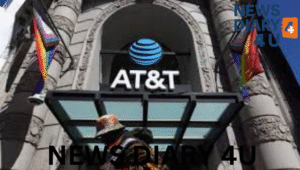
EchoStar Stock Skyrockets 75% After AT&T Strikes $23 Billion Spectrum Deal

EchoStar Stock Skyrockets 75% After AT&T Strikes $23 Billion Spectrum Deal

EchoStar Stock Skyrockets 75% on AT&T Deal to Buy Wireless Spectrum for $23 Billion

EchoStar Stock Skyrockets 75% After AT&T Strikes $23 Billion Spectrum Deal In a move that has shaken the telecom and financial markets, EchoStar stock skyrockets 75% after AT&T confirmed its $23 billion deal to acquire EchoStar’s wireless spectrum assets. This blockbuster agreement not only strengthens AT&T’s grip on the U.S. wireless market but also reshapes the future of 5G and next-generation connectivity.

The news stunned Wall Street, as investors rushed to back EchoStar, sending its stock price soaring in one of its most dramatic rallies in recent years. For EchoStar, a company historically known for satellite services, the deal signals a monumental pivot that could redefine its long-term business strategy. For AT&T, it’s a chance to stay ahead of competitors like Verizon and T-Mobile in the high-stakes race for wireless dominance.

Why EchoStar’s Spectrum Matters

Spectrum is often called the “real estate” of the wireless industry. It represents the invisible radio frequencies that make mobile communication possible. As consumer demand for high-speed data, video streaming, and connected devices continues to surge, spectrum has become the single most valuable asset for telecom giants.

EchoStar’s portfolio of spectrum assets is especially attractive because of its reach and potential to boost coverage in both urban and rural markets. AT&T’s acquisition ensures that it secures additional bandwidth to support the rollout of 5G, IoT (Internet of Things), and future digital services.

Industry experts highlight that while EchoStar’s spectrum has been underutilized, AT&T has the infrastructure and financial muscle to unlock its true potential. This makes the $23 billion purchase a long-term strategic win.

AT&T’s Strategy Behind the Deal

EchoStar Stock Skyrockets 75% on AT&T Deal to Buy Wireless Spectrum for $23 Billion

AT&T has faced mounting pressure from rivals in the U.S. telecom market. T-Mobile gained a significant head start in 5G by acquiring Sprint and its prized mid-band spectrum. Verizon, too, has invested heavily in C-band licenses.

By acquiring EchoStar’s spectrum, AT&T is playing catch-up, but with a massive leap forward. Analysts note three key strategic benefits:

  1. Strengthened 5G Network: The additional spectrum enhances AT&T’s capacity to deliver faster speeds and more reliable service.

  2. Rural Expansion: EchoStar’s holdings provide crucial coverage in underserved rural areas, aligning with AT&T’s commitment to nationwide broadband access.

  3. Future-Proofing: With emerging technologies like autonomous vehicles, smart cities, and augmented reality relying on high-capacity networks, AT&T positions itself at the forefront of innovation.

This move is not just about today’s needs—it’s a long-term bet on the digital economy of tomorrow.

Investor Reaction: EchoStar Stock Skyrockets

The financial market’s reaction was immediate and explosive. Within hours of the announcement, EchoStar stock skyrockets 75%, marking its biggest single-day gain in history.

Investors see the deal as a validation of EchoStar’s strategic value. Despite challenges in recent years, the company’s spectrum assets proved to be a golden ticket. The sudden surge also sparked speculation about whether other telecom giants might eye similar acquisitions, potentially leading to a wave of consolidation in the industry.

For AT&T shareholders, the response was more measured. While some raised concerns about the hefty $23 billion price tag, many analysts believe the long-term benefits outweigh the risks. The acquisition demonstrates AT&T’s determination to remain competitive in the rapidly evolving telecom landscape.

The Ripple Effect Across the Telecom Industry

EchoStar Stock Skyrockets 75% on AT&T Deal to Buy Wireless Spectrum for $23 Billion

The AT&T-EchoStar deal is likely to send ripples across the entire telecom ecosystem. Here’s how it could reshape the landscape:

  • Increased Competition: Verizon and T-Mobile may accelerate their own expansion strategies to counter AT&T’s strengthened spectrum position.

  • Regulatory Scrutiny: The size of the deal will undoubtedly attract the attention of regulators concerned with maintaining fair competition.

  • Rising Valuations: Companies holding underutilized spectrum could see their valuations surge as investors bet on future acquisitions.

This is not just a story about two companies—it’s a turning point for the entire wireless industry.

What This Means for Consumers

While billion-dollar corporate deals may feel distant to everyday consumers, the impact of this agreement could be profound:

  • Faster 5G Speeds: Expanded spectrum means AT&T customers could experience faster download speeds and smoother streaming.

  • Improved Rural Coverage: The deal may help bridge the digital divide, bringing reliable wireless service to underserved communities.

  • Future Tech Integration: From smart homes to connected cars, stronger networks open the door to innovations that rely on seamless connectivity.

Ultimately, consumers stand to benefit from the race between telecom giants, as competition drives better service and expanded access.

Challenges Ahead

Despite the excitement, challenges remain. AT&T will need to integrate EchoStar’s assets efficiently, while also managing the massive financial outlay. Debt levels, regulatory approvals, and the technical complexities of deploying new spectrum will all play a role in how successful this deal turns out to be.

Moreover, the U.S. telecom market is notoriously competitive, with rapid technological shifts. AT&T must ensure that its investment translates into real value for customers and shareholders alike.

Expert Insights on the EchoStar-AT&T Deal

Telecom analysts have weighed in with diverse perspectives:

  • Optimistic View: Many see this as a smart, forward-thinking move by AT&T that solidifies its long-term growth prospects.

  • Cautious Take: Some experts warn that the $23 billion price tag may put financial strain on AT&T if the expected benefits take too long to materialize.

  • Neutral Analysis: Others suggest that while the deal strengthens AT&T, it doesn’t fundamentally change the competitive balance, given T-Mobile and Verizon’s existing advantages.

The consensus, however, is that this is a game-changing moment for both EchoStar and AT&T.

Looking Ahead: What’s Next for EchoStar and AT&T?

For EchoStar, this deal provides an infusion of cash and a chance to redefine its business model. With satellite services still a core part of its identity, the company may now have the flexibility to innovate, diversify, or even return capital to shareholders.

For AT&T, the path forward involves heavy investment in deploying EchoStar’s spectrum and ensuring customers see tangible benefits. If executed well, this acquisition could mark the beginning of a new era of growth and technological leadership.

Final Thoughts

EchoStar Stock Skyrockets 75% on AT&T Deal to Buy Wireless Spectrum for $23 Billion

The news that EchoStar stock skyrockets 75% following AT&T’s $23 billion spectrum acquisition highlights the immense value of wireless infrastructure in today’s digital age. This is more than just a corporate transaction—it’s a battle for the future of connectivity, innovation, and consumer experience.

As the dust settles, one thing is clear: the telecom industry is entering a new chapter, and the AT&T-EchoStar deal will be remembered as a defining moment.

Intel Warns of Risks in Trump Deal: What It Means for Shareholders and Global Sales

Intel Warns of Risks in Trump Deal: What It Means for Shareholders and Global Sales

Intel Warns of Risks in Trump Deal: What It Means for Shareholders and Global Sales Intel, the American semiconductor giant, is making headlines once again—this time not for a groundbreaking chip launch, but for its cautious stance on a deal tied to former U.S. President Donald Trump. In a recent disclosure, Intel highlighted that the arrangement, though potentially beneficial in the short term, carries significant risks for shareholders and international sales.

This revelation has sparked debates across Wall Street, Silicon Valley, and global trade circles. At its core, Intel’s warning reflects the delicate balance the company must maintain: pleasing U.S. policymakers while protecting its international market share. Let’s break down what this deal is about, why Intel is concerned, and how it may reshape the global semiconductor landscape.

The Context: Trump’s Push for American Chip Independence

Over the past few years, the U.S. has doubled down on efforts to rebuild domestic semiconductor manufacturing. Trump, during and after his presidency, has consistently emphasized reducing dependence on countries like China and Taiwan for chip supplies. His vision is to bring semiconductor manufacturing back to U.S. soil, framing it as a matter of national security.

For Intel, this aligns with its ongoing efforts to reclaim leadership in advanced chipmaking. The company already committed billions to building fabrication plants (“fabs”) in Arizona and Ohio. However, Trump’s involvement has added both political weight and political risk to the strategy.

While the Trump deal could mean government incentives, subsidies, and stronger domestic contracts, Intel acknowledges that leaning too heavily into this political framework could harm relationships with foreign buyers and governments.

Intel’s Warning: Shareholder and Sales Risks

In its official filing, Intel pointed out two major risk categories linked to the Trump deal:

Shareholder Value Could Be Impacted

Investors are always wary when politics enters business strategy. By tying itself to Trump’s agenda, Intel risks increased volatility in its stock. If policies shift again under future administrations, Intel could face a regulatory whiplash.

Moreover, government-backed deals often come with strings attached—production targets, hiring quotas, or export restrictions—that may reduce profitability. Shareholders, who value steady growth and innovation, could see these obligations eat into Intel’s margins.

International Sales May Take a Hit

Intel Warns of Risks in Trump Deal: What It Means for Shareholders and Global Sales

More than 70% of Intel’s revenue comes from outside the United States. Countries like China, South Korea, and European Union members are critical markets. By aligning too closely with a Trump-backed plan, Intel risks being perceived as a political tool of U.S. foreign policy.

This could result in retaliatory actions. China, already in a tense trade war with the U.S., might restrict Intel’s access or favor local chipmakers like SMIC. European regulators, too, could impose stricter rules on Intel’s operations. Simply put, prioritizing American political interests may come at the cost of global trust.

Global Semiconductor Competition

Intel’s caution makes sense when viewed against the backdrop of intense global competition. The semiconductor industry is not just about technology; it’s about geopolitical power.

  • TSMC (Taiwan): Currently leads in advanced chipmaking nodes (3nm and below).

  • Samsung (South Korea): Competes aggressively in both memory and logic chips.

  • China’s SMIC: While still behind, it benefits from massive state support.

For Intel to succeed globally, it must avoid alienating potential customers and regulators. While the U.S. government’s backing can help Intel at home, losing ground internationally could cripple its long-term growth.

Why Intel’s Concerns Matter for Investors

Intel Warns of Risks in Trump Deal: What It Means for Shareholders and Global Sales

If you’re an Intel shareholder—or considering becoming one—these risks are more than political noise. They could directly impact your portfolio. Here’s why:

  1. Revenue Concentration Risk: Intel can’t rely solely on U.S. government contracts. International buyers drive its growth. Losing access to Asian and European markets would shrink its revenue base.

  2. Stock Price Volatility: Political deals tied to Trump—or any political figure—can create unpredictable swings in Intel’s stock price. Investors who prefer stable, long-term growth may face a bumpy ride.

  3. Innovation Costs: Government mandates could force Intel to prioritize certain projects, potentially delaying or limiting investment in next-generation chips. Innovation is Intel’s lifeblood—without it, competitors could surge ahead.

Balancing Act: National Security vs. Global Business

Intel’s statement shows that the company is trying to walk a tightrope. On one side, there’s pressure from U.S. leaders (Trump and beyond) to onshore chip production. On the other, there’s the reality of a globalized market, where success depends on winning the trust of international buyers.

This balancing act is not unique to Intel. Other U.S. companies like Apple, Nvidia, and Qualcomm also face similar dilemmas, though Intel—because of its manufacturing role—is in the spotlight.

What Could Happen Next?

Intel Warns of Risks in Trump Deal: What It Means for Shareholders and Global Sales

Several scenarios could play out in the coming years:

  1. Increased U.S. Subsidies: If Trump or another administration doubles down, Intel could receive more government funding. Short-term boost, but long-term dependency risk.

  2. Global Pushback: Foreign governments may see Intel as too “Americanized” and divert contracts to local or regional chipmakers.

  3. Neutral Strategy: Intel could try to balance by building U.S. fabs while simultaneously reassuring international clients of its neutrality. This would be the smartest move for long-term survival.

Expert Opinions

Market analysts are divided. Some argue that Intel’s closer alignment with Trump could secure billions in U.S. government support, which is necessary to catch up with TSMC and Samsung. Others warn that political entanglement could hurt Intel’s brand internationally and create more long-term damage than benefits.

Tech policy experts also highlight that semiconductor supply chains are deeply global. Even if Intel builds more fabs in the U.S., it still relies on equipment, materials, and partnerships abroad. Political friction could disrupt these supply chains, raising costs for Intel and its customers.

Conclusion: Intel’s Caution Is a Wake-Up Call

Intel’s warning about the Trump deal isn’t just about politics—it’s about the future of the semiconductor industry. By flagging risks to shareholders and international sales, Intel is signaling that political deals cannot replace global business strategy.

For investors, this is a reminder to look beyond headlines. While subsidies and political backing can seem like good news, they often come with hidden risks. For policymakers, it’s a lesson in balance: national security goals must align with the realities of international trade.

Ultimately, Intel’s cautious stance may prove wise. The company knows that true leadership in the chip industry doesn’t come from politics alone—it comes from innovation, global trust, and resilience.

Prosecuting Burning of the American Flag: Legal, Social, and Political Implications

Prosecuting Burning of the American Flag: Free Speech, Patriotism, and the Legal Debate


Prosecuting Burning of the American Flag: Legal, Social, and Political Implications

Prosecuting Burning of the American Flag: Legal, Social, and Political Implications The image of the American flag set on fire stirs some of the strongest emotions in the United States. For many, it feels like a personal attack on their identity, their values, and even the sacrifices of loved ones who served in the military. For others, flag burning represents a bold form of dissent, a way to express anger toward injustice or government failures.

This act is more than a protest—it is a flashpoint in American society, one that raises tough questions: Should the government allow it under free speech? Or should it prosecute those who burn the American flag?

In this blog, we’ll dive into the history, legal rulings, political debates, and cultural tensions around prosecuting flag burning, exploring why this controversy refuses to fade.

The American Flag: More Than a Symbol

The U.S. flag carries enormous weight in American culture. It represents freedom, democracy, resilience, and sacrifice. From classrooms to courthouses, and especially on military caskets, the flag is honored as a unifying national emblem.

Because of its symbolic power, the act of burning it goes beyond ordinary protest. It is often seen as a rejection of American values themselves. That is why calls for prosecuting burning of the American flag persist even though the courts have ruled otherwise.

The Legal Battle: Is Flag Burning Protected Speech?

The U.S. Constitution’s First Amendment guarantees freedom of speech and expression, and that protection doesn’t only apply to words. It extends to symbolic acts—like wearing an armband, staging a sit-in, or burning a flag.

Texas v. Johnson (1989)

Prosecuting Burning of the American Flag: Legal, Social, and Political Implications

The turning point came in 1989. Gregory Lee Johnson burned an American flag outside the Republican National Convention in Dallas to protest Reagan-era policies. He was arrested under a Texas law banning flag desecration.

The case, Texas v. Johnson, went to the Supreme Court. In a narrow 5-4 decision, the Court ruled in Johnson’s favor, declaring that prosecuting him violated the First Amendment. Justice William Brennan, writing for the majority, explained:

“If there is a bedrock principle underlying the First Amendment, it is that the government may not prohibit the expression of an idea simply because society finds the idea offensive or disagreeable.”

This ruling cemented flag burning as constitutionally protected expression.

The Flag Protection Act of 1989 and United States v. Eichman

Congress quickly responded with the Flag Protection Act of 1989, making it illegal at the federal level to burn or desecrate the flag. But only a year later, in United States v. Eichman (1990), the Supreme Court struck it down.

Once again, the Court affirmed that prosecuting burning of the American flag runs against the First Amendment.

Political Push to Criminalize Flag Burning

Even after these rulings, the political fight didn’t end. Many lawmakers—especially conservatives—continue pushing for laws or constitutional amendments that would allow prosecution.

  • Constitutional Amendments: Dozens of proposals have been introduced in Congress to ban flag desecration, but none have passed. Such an amendment would require two-thirds support in both chambers and ratification by 38 states—a high bar.

  • Presidential Views: Several presidents have weighed in. George H.W. Bush supported a constitutional amendment. Donald Trump went further, suggesting that flag burners should face jail time or even loss of citizenship.

These efforts reflect how flag burning remains a powerful political issue.

Why Prosecuting Flag Burning Divides America

Prosecuting Burning of the American Flag: Legal, Social, and Political Implications

The clash over prosecuting burning of the American flag is more than legal—it’s cultural.

  • For Supporters of Prosecution:
    They see the flag as sacred, representing unity and sacrifice. Burning it feels like an insult to veterans and a rejection of national identity. To them, banning it protects the honor of those who fought under it.

  • For Defenders of Free Speech:
    They argue that freedom must include the right to express even the most offensive views. If the government prosecutes flag burning today, it could restrict other forms of protest tomorrow.

This division reflects deeper political, generational, and regional divides. Younger Americans and progressives tend to defend free expression, while older and more conservative groups lean toward prosecution.

How Other Countries Handle Flag Burning

America’s approach stands out globally. While the U.S. treats flag burning as free speech, many countries criminalize it outright.

  • Germany punishes desecration of national symbols with fines or jail time.

  • France criminalizes public desecration of the French flag.

  • Turkey imposes strict penalties, including prison, for insulting national symbols.

By contrast, the United States places greater weight on protecting individual liberty, even when it offends the majority.

Why the Issue Won’t Go Away

Even with the Supreme Court’s rulings, the debate keeps resurfacing. Here’s why:

  1. Emotional Weight of the Flag: For many Americans, burning the flag feels like burning the country itself.

  2. Political Symbolism: Politicians use the issue to rally voters around patriotism and national pride.

  3. Protests and Movements: As social unrest grows, from civil rights marches to anti-war protests, flag burning often reappears as a form of defiance.

  4. Balance of Values: America constantly debates where free expression should end and respect for national symbols should begin.

Could Flag Burning Ever Be Prosecuted Again?

Prosecuting Burning of the American Flag: Legal, Social, and Political Implications


Realistically, prosecuting burning of the American flag would require a constitutional amendment. Courts have made it clear that without one, laws banning it will be struck down.

Public opinion polls show that many Americans support restrictions on flag burning. However, support for free expression remains strong too. As of today, the First Amendment protects flag burning, and the likelihood of changing that remains slim.

The Broader Lesson: Freedom Isn’t Always Comfortable

At the core, this debate teaches a hard truth: freedom means tolerating even speech we hate. For veterans, families, and patriots, watching someone burn the flag may feel unbearable. Yet the very liberty that flag represents is what protects the right to burn it.

As Justice Brennan put it, the flag stands for freedom, not forced loyalty. To prosecute flag burning would mean silencing protest, weakening the very principles the flag represents.

Conclusion

Prosecuting Burning of the American Flag: Legal, Social, and Political Implications

The fight over prosecuting burning of the American flag is not really about cloth and fire—it’s about what America values most. Is it unity and patriotism, or is it liberty and dissent?

For now, the courts have chosen liberty. Burning the American flag remains a protected form of speech, no matter how offensive it feels to many. But the emotional weight of the flag ensures that this controversy will never fully disappear.

In the end, America’s strength lies in allowing its people—even its harshest critics—to speak freely. That includes those who choose to protest in the most provocative way possible: by setting fire to the flag.

S&P 500 Dips Today as Walmart and Solar Stocks Falter — Paramount Skydance Deal Brings Relief

S&P 500 Dips Today as Walmart and Solar Stocks Falter — Paramount Skydance S&P 500 Dips Today as Walmart and Solar Stocks Falter — Paramount Skydance Deal Brings Relief

noticeable pullback for the  today’s trading session brought a noticeable pullback for the S&P 500, reflecting investor caution ahead of pivotal Federal Reserve remarks. The index slid around 0.4% as Wall Street awaits Fed Chair Powell’s comments, signaling a possible interest-rate pivot. W hy the S&P 500 Stumbled Markets took a cautious stance amid growing uncertainty over … Read more