
Prosecuting Burning of the American Flag: Free Speech, Patriotism, and the Legal Debate

Prosecuting Burning of the American Flag: Legal, Social, and Political Implications The image of the American flag set on fire stirs some of the strongest emotions in the United States. For many, it feels like a personal attack on their identity, their values, and even the sacrifices of loved ones who served in the military. For others, flag burning represents a bold form of dissent, a way to express anger toward injustice or government failures.
This act is more than a protest—it is a flashpoint in American society, one that raises tough questions: Should the government allow it under free speech? Or should it prosecute those who burn the American flag?
In this blog, we’ll dive into the history, legal rulings, political debates, and cultural tensions around prosecuting flag burning, exploring why this controversy refuses to fade.
The American Flag: More Than a Symbol
The U.S. flag carries enormous weight in American culture. It represents freedom, democracy, resilience, and sacrifice. From classrooms to courthouses, and especially on military caskets, the flag is honored as a unifying national emblem.
Because of its symbolic power, the act of burning it goes beyond ordinary protest. It is often seen as a rejection of American values themselves. That is why calls for prosecuting burning of the American flag persist even though the courts have ruled otherwise.
The Legal Battle: Is Flag Burning Protected Speech?
The U.S. Constitution’s First Amendment guarantees freedom of speech and expression, and that protection doesn’t only apply to words. It extends to symbolic acts—like wearing an armband, staging a sit-in, or burning a flag.
Texas v. Johnson (1989)

The turning point came in 1989. Gregory Lee Johnson burned an American flag outside the Republican National Convention in Dallas to protest Reagan-era policies. He was arrested under a Texas law banning flag desecration.
The case, Texas v. Johnson, went to the Supreme Court. In a narrow 5-4 decision, the Court ruled in Johnson’s favor, declaring that prosecuting him violated the First Amendment. Justice William Brennan, writing for the majority, explained:
“If there is a bedrock principle underlying the First Amendment, it is that the government may not prohibit the expression of an idea simply because society finds the idea offensive or disagreeable.”
This ruling cemented flag burning as constitutionally protected expression.
The Flag Protection Act of 1989 and United States v. Eichman
Congress quickly responded with the Flag Protection Act of 1989, making it illegal at the federal level to burn or desecrate the flag. But only a year later, in United States v. Eichman (1990), the Supreme Court struck it down.
Once again, the Court affirmed that prosecuting burning of the American flag runs against the First Amendment.
Political Push to Criminalize Flag Burning
Even after these rulings, the political fight didn’t end. Many lawmakers—especially conservatives—continue pushing for laws or constitutional amendments that would allow prosecution.
-
Constitutional Amendments: Dozens of proposals have been introduced in Congress to ban flag desecration, but none have passed. Such an amendment would require two-thirds support in both chambers and ratification by 38 states—a high bar.
-
Presidential Views: Several presidents have weighed in. George H.W. Bush supported a constitutional amendment. Donald Trump went further, suggesting that flag burners should face jail time or even loss of citizenship.
These efforts reflect how flag burning remains a powerful political issue.
Why Prosecuting Flag Burning Divides America

The clash over prosecuting burning of the American flag is more than legal—it’s cultural.
-
For Supporters of Prosecution:
They see the flag as sacred, representing unity and sacrifice. Burning it feels like an insult to veterans and a rejection of national identity. To them, banning it protects the honor of those who fought under it. -
For Defenders of Free Speech:
They argue that freedom must include the right to express even the most offensive views. If the government prosecutes flag burning today, it could restrict other forms of protest tomorrow.
This division reflects deeper political, generational, and regional divides. Younger Americans and progressives tend to defend free expression, while older and more conservative groups lean toward prosecution.
How Other Countries Handle Flag Burning
America’s approach stands out globally. While the U.S. treats flag burning as free speech, many countries criminalize it outright.
-
Germany punishes desecration of national symbols with fines or jail time.
-
France criminalizes public desecration of the French flag.
-
Turkey imposes strict penalties, including prison, for insulting national symbols.
By contrast, the United States places greater weight on protecting individual liberty, even when it offends the majority.
Why the Issue Won’t Go Away
Even with the Supreme Court’s rulings, the debate keeps resurfacing. Here’s why:
-
Emotional Weight of the Flag: For many Americans, burning the flag feels like burning the country itself.
-
Political Symbolism: Politicians use the issue to rally voters around patriotism and national pride.
-
Protests and Movements: As social unrest grows, from civil rights marches to anti-war protests, flag burning often reappears as a form of defiance.
-
Balance of Values: America constantly debates where free expression should end and respect for national symbols should begin.
Could Flag Burning Ever Be Prosecuted Again?

Realistically, prosecuting burning of the American flag would require a constitutional amendment. Courts have made it clear that without one, laws banning it will be struck down.
Public opinion polls show that many Americans support restrictions on flag burning. However, support for free expression remains strong too. As of today, the First Amendment protects flag burning, and the likelihood of changing that remains slim.
The Broader Lesson: Freedom Isn’t Always Comfortable
At the core, this debate teaches a hard truth: freedom means tolerating even speech we hate. For veterans, families, and patriots, watching someone burn the flag may feel unbearable. Yet the very liberty that flag represents is what protects the right to burn it.
As Justice Brennan put it, the flag stands for freedom, not forced loyalty. To prosecute flag burning would mean silencing protest, weakening the very principles the flag represents.
Conclusion
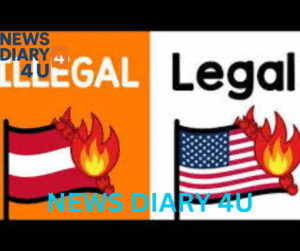
The fight over prosecuting burning of the American flag is not really about cloth and fire—it’s about what America values most. Is it unity and patriotism, or is it liberty and dissent?
For now, the courts have chosen liberty. Burning the American flag remains a protected form of speech, no matter how offensive it feels to many. But the emotional weight of the flag ensures that this controversy will never fully disappear.
In the end, America’s strength lies in allowing its people—even its harshest critics—to speak freely. That includes those who choose to protest in the most provocative way possible: by setting fire to the flag.