
Intel Warns of Risks in Trump Deal: What It Means for Shareholders and Global Sales Intel, the American semiconductor giant, is making headlines once again—this time not for a groundbreaking chip launch, but for its cautious stance on a deal tied to former U.S. President Donald Trump. In a recent disclosure, Intel highlighted that the arrangement, though potentially beneficial in the short term, carries significant risks for shareholders and international sales.
This revelation has sparked debates across Wall Street, Silicon Valley, and global trade circles. At its core, Intel’s warning reflects the delicate balance the company must maintain: pleasing U.S. policymakers while protecting its international market share. Let’s break down what this deal is about, why Intel is concerned, and how it may reshape the global semiconductor landscape.
The Context: Trump’s Push for American Chip Independence
Over the past few years, the U.S. has doubled down on efforts to rebuild domestic semiconductor manufacturing. Trump, during and after his presidency, has consistently emphasized reducing dependence on countries like China and Taiwan for chip supplies. His vision is to bring semiconductor manufacturing back to U.S. soil, framing it as a matter of national security.
For Intel, this aligns with its ongoing efforts to reclaim leadership in advanced chipmaking. The company already committed billions to building fabrication plants (“fabs”) in Arizona and Ohio. However, Trump’s involvement has added both political weight and political risk to the strategy.
While the Trump deal could mean government incentives, subsidies, and stronger domestic contracts, Intel acknowledges that leaning too heavily into this political framework could harm relationships with foreign buyers and governments.
Intel’s Warning: Shareholder and Sales Risks
In its official filing, Intel pointed out two major risk categories linked to the Trump deal:
Shareholder Value Could Be Impacted
Investors are always wary when politics enters business strategy. By tying itself to Trump’s agenda, Intel risks increased volatility in its stock. If policies shift again under future administrations, Intel could face a regulatory whiplash.
Moreover, government-backed deals often come with strings attached—production targets, hiring quotas, or export restrictions—that may reduce profitability. Shareholders, who value steady growth and innovation, could see these obligations eat into Intel’s margins.
International Sales May Take a Hit
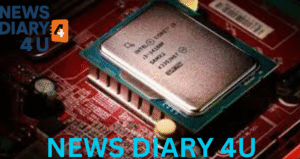
More than 70% of Intel’s revenue comes from outside the United States. Countries like China, South Korea, and European Union members are critical markets. By aligning too closely with a Trump-backed plan, Intel risks being perceived as a political tool of U.S. foreign policy.
This could result in retaliatory actions. China, already in a tense trade war with the U.S., might restrict Intel’s access or favor local chipmakers like SMIC. European regulators, too, could impose stricter rules on Intel’s operations. Simply put, prioritizing American political interests may come at the cost of global trust.
Global Semiconductor Competition
Intel’s caution makes sense when viewed against the backdrop of intense global competition. The semiconductor industry is not just about technology; it’s about geopolitical power.
-
TSMC (Taiwan): Currently leads in advanced chipmaking nodes (3nm and below).
-
Samsung (South Korea): Competes aggressively in both memory and logic chips.
-
China’s SMIC: While still behind, it benefits from massive state support.
For Intel to succeed globally, it must avoid alienating potential customers and regulators. While the U.S. government’s backing can help Intel at home, losing ground internationally could cripple its long-term growth.
Why Intel’s Concerns Matter for Investors
If you’re an Intel shareholder—or considering becoming one—these risks are more than political noise. They could directly impact your portfolio. Here’s why:
-
Revenue Concentration Risk: Intel can’t rely solely on U.S. government contracts. International buyers drive its growth. Losing access to Asian and European markets would shrink its revenue base.
-
Stock Price Volatility: Political deals tied to Trump—or any political figure—can create unpredictable swings in Intel’s stock price. Investors who prefer stable, long-term growth may face a bumpy ride.
-
Innovation Costs: Government mandates could force Intel to prioritize certain projects, potentially delaying or limiting investment in next-generation chips. Innovation is Intel’s lifeblood—without it, competitors could surge ahead.
Balancing Act: National Security vs. Global Business
Intel’s statement shows that the company is trying to walk a tightrope. On one side, there’s pressure from U.S. leaders (Trump and beyond) to onshore chip production. On the other, there’s the reality of a globalized market, where success depends on winning the trust of international buyers.
This balancing act is not unique to Intel. Other U.S. companies like Apple, Nvidia, and Qualcomm also face similar dilemmas, though Intel—because of its manufacturing role—is in the spotlight.
What Could Happen Next?
Several scenarios could play out in the coming years:
-
Increased U.S. Subsidies: If Trump or another administration doubles down, Intel could receive more government funding. Short-term boost, but long-term dependency risk.
-
Global Pushback: Foreign governments may see Intel as too “Americanized” and divert contracts to local or regional chipmakers.
-
Neutral Strategy: Intel could try to balance by building U.S. fabs while simultaneously reassuring international clients of its neutrality. This would be the smartest move for long-term survival.
Expert Opinions
Market analysts are divided. Some argue that Intel’s closer alignment with Trump could secure billions in U.S. government support, which is necessary to catch up with TSMC and Samsung. Others warn that political entanglement could hurt Intel’s brand internationally and create more long-term damage than benefits.
Tech policy experts also highlight that semiconductor supply chains are deeply global. Even if Intel builds more fabs in the U.S., it still relies on equipment, materials, and partnerships abroad. Political friction could disrupt these supply chains, raising costs for Intel and its customers.
Conclusion: Intel’s Caution Is a Wake-Up Call
Intel’s warning about the Trump deal isn’t just about politics—it’s about the future of the semiconductor industry. By flagging risks to shareholders and international sales, Intel is signaling that political deals cannot replace global business strategy.
For investors, this is a reminder to look beyond headlines. While subsidies and political backing can seem like good news, they often come with hidden risks. For policymakers, it’s a lesson in balance: national security goals must align with the realities of international trade.
Ultimately, Intel’s cautious stance may prove wise. The company knows that true leadership in the chip industry doesn’t come from politics alone—it comes from innovation, global trust, and resilience.