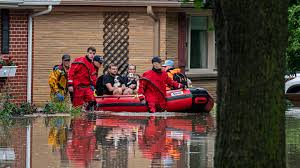
milwaukee-flooding-rain On August 9–10, Milwaukee endured an extraordinary weather event that redefined what “flash flood” means for the city. In just a few hours, rainfall soared to record-breaking levels—5.74 inches, marking the second-wettest day ever recorded in Milwaukee, while some areas reported over 10 inches of rain AxiosNew York PostAP News.Milwaukee Flash Floods: When Unrelenting Rain Changed the City 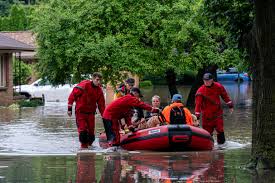
Rivers and thoroughfares became sites of impromptu rescues. The Milwaukee River crested at 11.19 feet, surpassing previous records and flooding nearby neighborhoods and transport routes The Watchers. First responders rushed to help stranded residents, with rescue crews pulling dozens from flooded vehicles—65 water rescues alone by midday Sunday AxiosABC News.
Infrastructure buckled under the deluge. Hundreds of emergency calls came in—over 600 requests for help—including reports of gas leaks, downed wires, and now-powerless homes. Nearly 18,000 households lost power across the region AP News.
The Wisconsin State Fair shut down early. Fairgoers waded through waist-high water as organizers prioritized visitor safety, even canceling headline concerts like Lynyrd Skynyrd’s performance New York PostAP News. Even though the Brewers–Mets game continued inside the stadium, half its parking lots remained underwater, and fans were warned about limited access New York Post.
Authorities declared a state of emergency in Milwaukee County. Officials urged residents to stay indoors, heed warnings, and avoid flooded areas as repeated rounds of heavy rain threaten further flash flooding across the Midwest and Plains AxiosAP News.
Climate experts note such events are becoming more common and intense, with climate change amplifying extreme weather patterns
Why This Matters — And What Comes Next
Milwaukee’s flash flood wasn’t a simple rain event—it jolted the city’s infrastructure and reminded us of our vulnerability to climate-driven disasters. Streets turned into rivers, power infrastructure struggled, key civic functions halted, and families faced danger and disruption in an instant.
The Midwest now braces for more storms. The National Weather Service warns that threats of flash flooding extend through Monday across parts of the central Plains, Midwest, and Southeast
Tips to Stay Safe When Storms Strike
- Turn around, don’t drown: Avoid driving through flooded roads—depth and current can be deceiving.
- Stay informed: Follow updates from local emergency services and weather alerts.
- Take safety precautions: If you must enter floodwater, use rubber boots, gloves, and wash everything afterward—it can carry toxic contaminants AP News.
- Prepare for outages: Have emergency supplies, and if your fridge stays above 40°F for over four hours, discard perishable food
Final Thoughts
- Milwaukee’s harrowing weekend reflects a world increasingly fraught with climate-driven extremes. From overflowing rivers to powerless homes and canceled events, communities face growing challenges—and the need for preparedness has never been clearer.
- Let your readers know: this isn’t just a local headline—it’s a wake-up call. Strengthened infrastructure, community awareness, and rapid response can help cities withstand whatever future weather throws their way.